
30 September 2026
New Roof Cost In Croydon 2026: Prices For Five House Types
What a new roof costs in Croydon in 2026 for a Victorian terrace, a 1930s hipped semi, a postwar semi, a bungalow and a 1960s flat roof, and what pushes it up.
Ask what a new roof costs in Croydon and the honest reply is another question: which house? This borough has almost every type of British house from the last 150 years sitting within a few miles of each other, and each one costs a different amount to re-roof, for reasons that have little to do with the tiles. A Victorian terrace in Thornton Heath and a 1930s semi in Shirley can cover roughly the same area and still sit £5,000 apart. So this guide prices the new roof cost in Croydon house by house, using 2026 figures that include VAT, scaffolding and London labour, and says what drives each number. For context, a skilled tiler in south London typically costs a roofing firm £220 to £300 a day before overheads, a full re-roof takes a gang of three or four people between one and two weeks, and labour is usually 40 to 50 per cent of the final bill.
New roof cost in Croydon at a glance
Here are the five houses that account for most of the re-roofing we quote around the borough, with the range most real jobs fall into. Each one is explained further down.
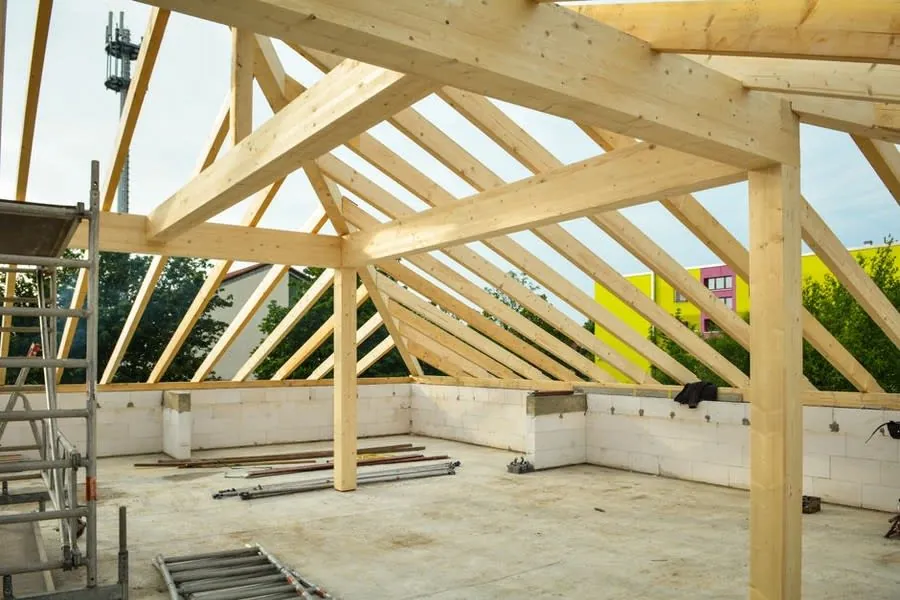
| House | Typical covering | Guide price, inc. VAT |
|---|---|---|
| Victorian or Edwardian terrace, two storey | Natural slate or clay plain tile | £11,000 to £20,000 |
| 1930s semi with a hipped roof | Concrete interlocking or clay plain tile | £9,000 to £21,000 |
| Postwar semi or terrace | Concrete interlocking tile | £6,500 to £10,500 |
| Bungalow | Concrete tile or slate | £8,000 to £15,000 |
| 1960s flat-roofed house or maisonette | Warm-deck membrane | £6,500 to £12,000 |
These are ranges, not quotes. Nobody can give you a real figure without getting up there, because the two things that move the price most, the state of the timbers and the way the scaffold has to go up, can’t be seen from the pavement. What the table does do is tell you whether a quote in your hand is in the right territory. Our roof replacement service page explains how we survey and quote, and every figure below assumes the old covering comes off completely rather than being patched.
One thing to settle before reading on. If you are not yet sure the roof actually needs replacing, read our guide on whether to repair or replace first. Plenty of roofs that look finished have another decade in them.
The Victorian terrace: slate or clay, and a pavement scaffold
Most of the terraces in South Norwood, Selhurst, Thornton Heath and the streets around West Croydon were built between the 1870s and the First World War, and they came with one of two coverings. Welsh slate on the grander streets, small clay plain tiles on a great many of the rest. A typical two storey mid-terrace has a main roof of 45 to 55 square metres split front and back, plus a lower roof over the back addition, and that is what the figures here cover.
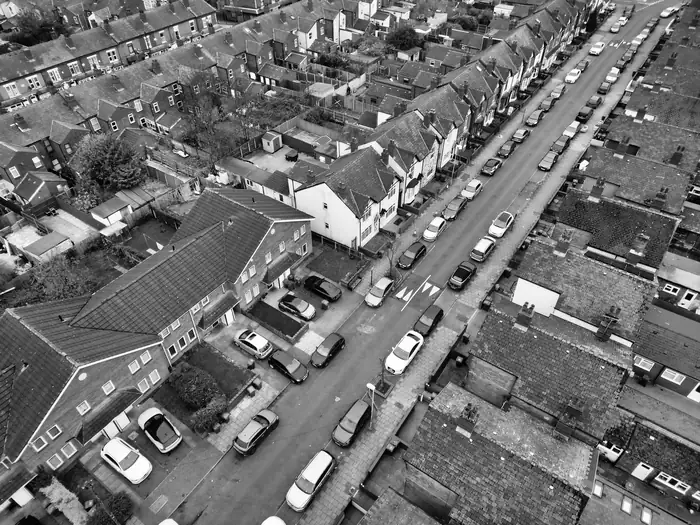
Re-covering in a good imported natural slate lands at about £11,000 to £16,000. New Welsh slate is a different price bracket, and adds roughly £3,000 to £5,000 on its own. Clay plain tiles cost more to lay than slate because there are about 60 of them to every square metre, all nailed, so a terrace in new machine-made plain tiles typically runs £13,000 to £20,000. Handmade tiles push past the top of that. We went through the choice between salvaged, handmade and machine-made in our piece on Croydon’s clay plain tile roofs, so we won’t repeat it here.
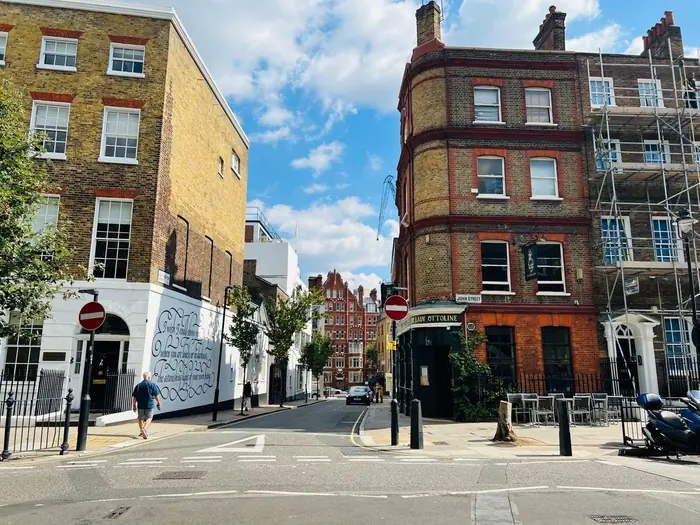
Why is a terrace so expensive for its size? The front wall stands on the pavement. There is no front garden for the scaffold to sit in, so the standards go on the public highway and the scaffolder needs a licence from the council before anything goes up. The back is worse. On a mid-terrace there is often no side access at all, which means every tube, board, bundle of battens and bag of old slates comes through your hallway. That adds labour days, and it’s why terrace quotes vary more than any other kind.
Then there are the chimneys. Almost every Victorian terrace has a shared stack on the party wall, and a re-roof means new lead flashings and back gutters at each one. Budget £600 to £1,200 per stack for the lead alone, and more if the stack needs repointing while the scaffold is up.
The 1930s hipped semi in Shirley, Selsdon or Sanderstead
The interwar semi is the most common house in the southern half of the borough, and the hipped roof is what makes it dearer than it looks. Instead of a simple gable, the roof slopes down on three sides, so there are two hip lines as well as the ridge, a lot of cut tiles where the slopes meet, and usually a bay roof or two at the front. Including the bays, a typical hipped semi has 70 to 85 square metres of roof.
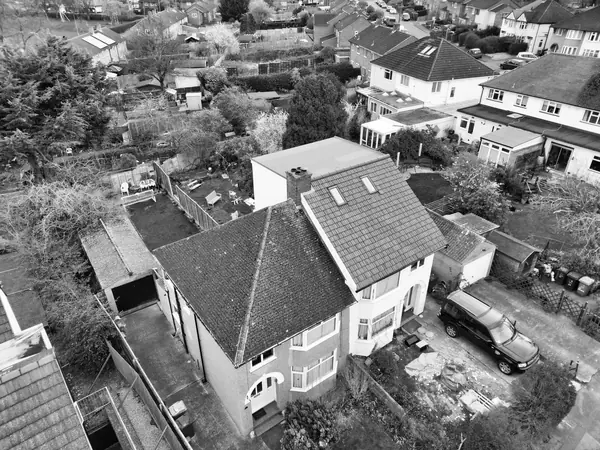
In concrete interlocking tiles, which is what most of these roofs were given on their first re-roof in the 1970s and 80s, expect £9,000 to £14,000. Putting back clay plain tiles, which is what many of them had originally, takes it to £14,000 to £21,000, because of the tile count and the slower laying. Much of that difference is labour on the hips. Every tile along a hip has to be cut to the angle, and the hip itself has to be mechanically fixed under the current tiling standard, usually with a dry hip system. We covered what those fixings are and why the old mortar keeps failing in our post on dry ridge and dry verge.
The better news is access. Most of these semis have a front garden and a side passage, so the scaffold rarely touches the highway, and the materials can come round the side. That usually saves several hundred pounds compared with a terrace of the same size.
Something that catches owners out: many of these roofs have never had any felt under the tiles, as we described in our guide to 1930s semi roofs in Croydon. The new roof gets a breathable membrane throughout, which is a real improvement and is included in the prices above. But once the tiles are off, you’ll see the rafters properly for the first time in ninety years. If a few need doubling up, it’s a modest extra. If the wall plate on one side has rotted, it’s not.
Postwar semis and terraces under concrete tile
This is the cheapest roof to replace in the borough, and New Addington has a lot of them. So do the infill streets in Norbury, Broad Green and Waddon. They are simple gabled roofs, one ridge, two slopes, usually 55 to 70 square metres, covered in large interlocking concrete tiles that go on quickly. A like-for-like re-roof generally comes to £6,500 to £10,500.
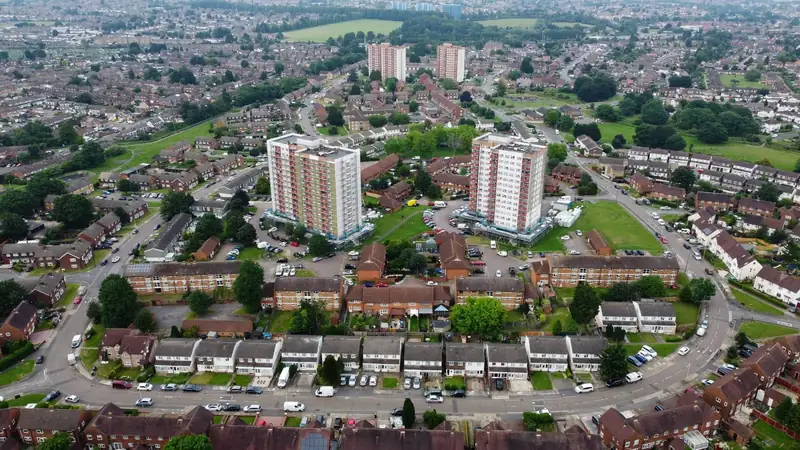
The low figure comes from speed rather than cheap materials. A big interlocking tile covers the roof with about ten tiles per square metre instead of sixty, a plain gable has no hips to cut, and the dry verge units along each gable end go on in an afternoon. On a lot of these houses the whole covering can be stripped, re-felted, re-battened and re-tiled inside a week.
Two warnings. First, don’t be tempted to go heavier. Many of these roofs were built for concrete, or had it put on later in place of something lighter, and as our post on postwar concrete tile roofs explains, the structure may already be carrying as much as it should. Second, on former council houses, look at the soffits and any old porch roofs before work starts. Some were built with asbestos cement boards, and if the survey finds them, their removal is a licensed or controlled job with its own cost, usually a few hundred pounds for a house.
Bungalows: a lot of roof over a small house
People are often surprised by bungalow prices. The house is small, so the roof should be cheap. But on a bungalow the roof covers the entire footprint, and on the detached and chalet bungalows common on the slopes around Coulsdon, Kenley and Sanderstead, that can mean 90 to 120 square metres of roof, frequently hipped on all four sides. That is more than a two storey semi.
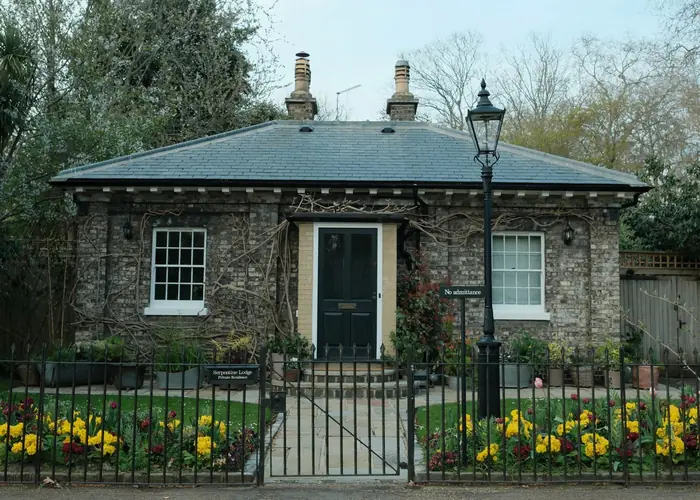
The saving is height. Scaffold for a single storey is lower, lighter and quicker to put up, and it almost always sits on the drive rather than the pavement, so there’s no highway licence to pay for. Access for a bungalow is typically £400 to £900 against £1,500 or more for a terrace. Put those together and a bungalow re-roof in concrete tile usually lands between £8,000 and £12,000, rising to about £15,000 in slate or for a large hipped roof with several valleys.
Chalet bungalows with dormers are the exception. Every dormer has its own small roof, cheeks and flashings, and each one adds work. If yours has two or three, ask for them to be priced separately on the quote so you can see what they add.
1960s flat-roofed houses and maisonettes
Flat roofs are priced per square metre, not per house, and the price depends on how much of the roof has to be rebuilt. A straightforward strip and replacement with a modern membrane on a sound deck is one thing. The trouble is that a full replacement of a 1960s roof counts as renovating a thermal element under the Building Regulations, so the insulation has to be brought up to the current standard. In practice that means a warm deck build-up, with insulation laid over the deck and the new membrane on top.
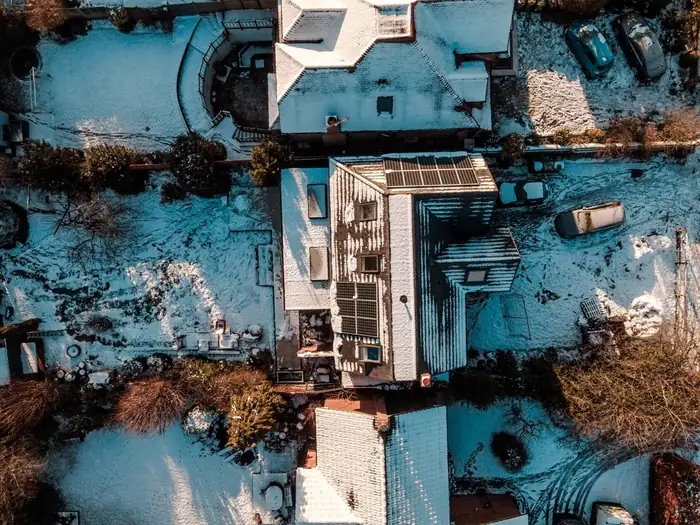
For a flat-roofed house or a maisonette block roof of 40 to 70 square metres, with a new warm deck, new outlets and new upstand detailing, expect roughly £6,500 to £12,000. The two things that push it to the top are a rotten deck, which has to be replaced before anything goes on, and height. Adding 120mm or more of insulation lifts the roof, and where it meets a door threshold or a parapet that is too low, that detail has to be rebuilt too. We explained why these roofs are failing together in our post on Croydon’s 1960s flat roofs.
Maisonettes bring a cost question that has nothing to do with roofing. If you own a leasehold flat and the freeholder is replacing the roof, your share comes through the service charge, and the landlord has to consult you before starting any works that would cost a single leaseholder more than £250. That process is set out in the government’s guidance on leasehold service charges, and it’s worth reading before you receive a bill with a roof on it.
What every Croydon new roof price contains, and what pushes it up
Whatever the house, a complete quote should list the same components. If one of them is missing, ask why.
Here’s how an £11,500 concrete tile re-roof on a hipped semi usually breaks down:
- Scaffold and edge protection for the full job: £1,300 to £1,700
- Skip or grab lorry and tipping for the old covering: £700 to £1,000
- Breathable membrane and new treated battens throughout: £600 to £900
- Tiles, fixings and clips: £1,500 to £2,100
- Dry fix ridge, hip and verge components: £400 to £600
- Lead for the chimney and abutment flashings: £300 to £600
- Building control notification and certificate: £150 to £300
- The rest, somewhere around £4,500 to £6,500, is labour, and on this house that’s the biggest single line
The scaffold line is where Croydon costs most. If any of it stands on the pavement, the scaffolding company needs a licence under the council’s scaffolding and hoarding licence rules. In a controlled parking zone, you may also have to suspend a parking bay for the skip or the delivery. Our separate guide to scaffolding and access costs in Croydon goes through each of those in detail.
Building control matters more than the fee suggests. Because a whole new roof covering is a thermal element renovation under Approved Document L, the loft insulation has to meet the current standard where that’s practical. On most pitched roofs that means topping up at ceiling level, which adds a few hundred pounds. Ask whether it’s included.
The things that push a Croydon price above these ranges tend to be the same few, roughly in order of how often we see them:
- Rotten timber found once the covering is off, especially wall plates, rafter feet and flat roof decks
- A chimney stack that needs rebuilding rather than just reflashing, usually £2,000 or more on its own
- No side or rear access, so every material comes through the house
- A conservation area, where the council will expect natural slate or clay rather than concrete. In the Chatsworth Road conservation area in Addiscombe, an Article 4 direction makes all roof alterations a planning matter
- Solar panels that have to come off and go back on, which usually needs the installer or an electrician to take part
- Upgrading the material, such as going from concrete to slate, which also means checking the structure can take the extra weight
VAT is the last line. Every figure on this page includes it at 20 per cent, because re-roofing an existing house is standard rated. A quote that looks £2,000 cheaper might simply be showing the price without VAT, so check before you compare.
If you want an actual figure for your house rather than a range, book a free roof survey in Croydon and we’ll send you a written, itemised quote with the scaffold and access costs set out separately.
Frequently asked questions
How much does a new roof cost in Croydon in 2026?
For most houses in the borough, somewhere between £6,500 and £21,000 including VAT. A postwar concrete tile semi sits at the bottom of that range, a 1930s hipped semi in the middle, and a Victorian terrace or a hipped semi re-covered in clay plain tiles at the top. Flat-roofed 1960s houses are priced by area and usually land between £6,500 and £12,000 once the insulation is brought up to current standards.
Why do new roofs cost more in Croydon than the national price guides say?
Mostly labour and access. A tiling gang in south London costs a firm noticeably more per day than one in the Midlands or the North, and a large share of Croydon's older houses front straight onto the pavement, so the scaffold needs a highway licence from Croydon Council and sometimes a parking bay suspension as well. National averages are built from cheaper regions with more off-street space, so they tend to undershoot here by a few thousand pounds.
Does the price of a new roof include scaffolding?
It should, and on a proper quote the scaffold is listed as its own line with the number of weeks of hire it covers. On a two storey house in Croydon expect that line to be roughly 10 to 18 per cent of the total. If the scaffold stands on the pavement, check whether the council licence and any parking suspension are included or will be added later.
Do I need permission from Croydon Council to replace my roof?
Not usually for a like-for-like replacement on an ordinary house. You will need to notify building control, because replacing a whole roof covering counts as renovating a thermal element, and a good roofer will handle that. Planning becomes relevant if you change the material or the shape, if the house is listed, or if it sits in one of the borough's 21 conservation areas. In the Chatsworth Road conservation area in Addiscombe an Article 4 direction brings all roof alterations under planning control.
Is VAT included in new roof prices?
The figures on this page include VAT at 20 per cent, which applies to re-roofing an existing house. Some very small firms are below the VAT registration threshold and do not charge it, which is one reason their quotes can look lower. When comparing quotes, make sure every figure is either inclusive or exclusive of VAT before you compare them.
Free roof survey and a fixed written quote
Anywhere in Croydon and the surrounding CR postcodes. No call-out fee.