
27 August 2026
Who Pays For Roof Repairs In A Croydon Converted Flat?
Water through the top floor ceiling, and nobody agrees whose bill it is. How responsibility for the roof is decided in a Croydon conversion.
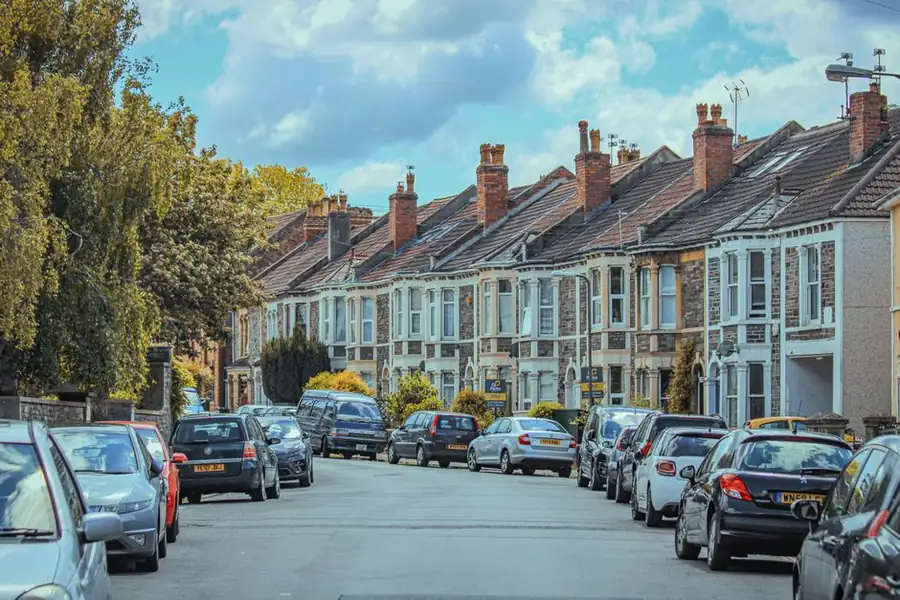
Croydon is the most populous of the London boroughs, with around 390,700 residents counted at the 2021 census, a rise of 7.5 per cent in ten years. A good deal of that has been absorbed not by new blocks but by old houses being divided up, and over the same decade the share of households renting privately here went from 21 per cent to 25.8 per cent, according to the ONS census figures for the borough. The upshot is that an awful lot of people in Croydon live under a roof they only partly own, or do not own at all. So when a stain appears on a top floor ceiling in February, the first conversation is almost never about roofing. It is about whose bill it is. So it is worth knowing, before that conversation starts, how the question actually gets decided.
The three ways a Croydon house gets split up
Most of the argument comes down to which of these you are in, and people are frequently wrong about their own.
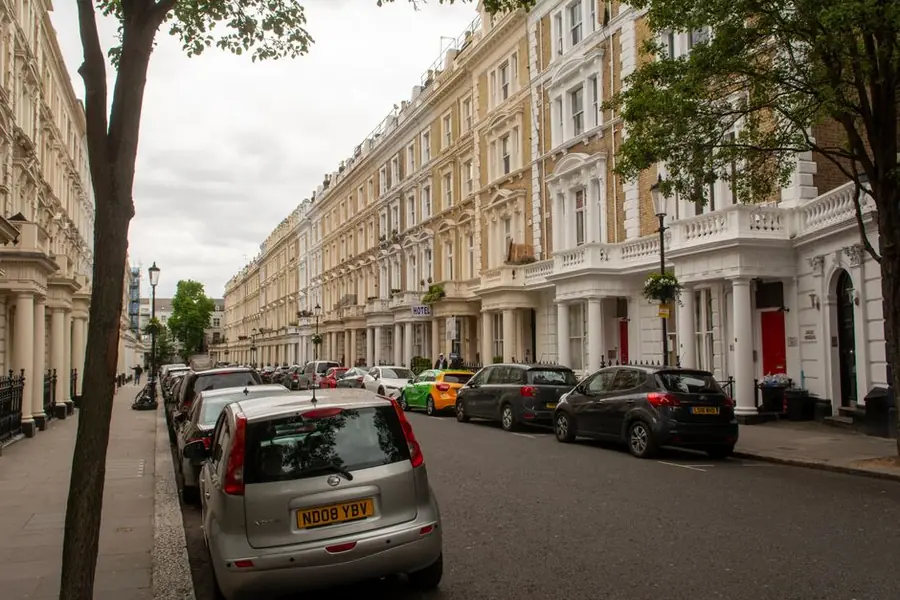
The first is the purpose-built block with a managing agent - much of the town centre, plenty of Waddon and New Addington. There the roof is unambiguously the freeholder’s, the money comes out of the service charge, and your job is to report it and then chase.
The second is the two or three flat conversion of a Victorian or Edwardian terrace, which is the classic Thornton Heath, South Norwood, Selhurst and Addiscombe arrangement. These are the ones that generate the disputes, because the leases were often drawn up cheaply in the 1980s and 1990s by a developer who had no intention of still being around when the slates went. If you have a leak in one of these and you want it stopped before the paperwork is resolved, that is a straightforward roof leak repair - it does not have to wait for the argument to finish.
The third is the interwar semi cut into two, common in Norbury, Coulsdon and parts of Shirley, sometimes as a pair of maisonettes with their own front doors. These can be the messiest of the lot, because the split was often done informally and the documents reflect that.
What your lease almost certainly says about the roof
Almost every lease does the same thing in different words. It demises the flat to you - usually the internal surfaces, the plaster inwards - and it retains the structure and exterior for the freeholder, who covenants to keep it in repair and to recover the cost from the leaseholders.

Under that arrangement, it does not matter that the water came through the top flat’s ceiling. The roof is part of the retained structure, it is repaired on behalf of the whole building, and the cost is divided in the proportions the leases set. In a two-flat conversion that is usually fifty-fifty.
The exception, and it is common enough in Croydon to be worth checking rather than assuming, is a lease that demises the roof and the loft void to the upper flat. Developers did this to sell the loft as a future conversion. If yours does that and also puts the repairing obligation on the flat, the top flat pays for the roof on its own. One document decides it, and it is worth twenty minutes with a highlighter before anyone starts shouting.
The £250 line that changes everything
If the roof belongs to the freeholder, there is a rule that catches out a lot of small landlords who have never dealt with major works before.
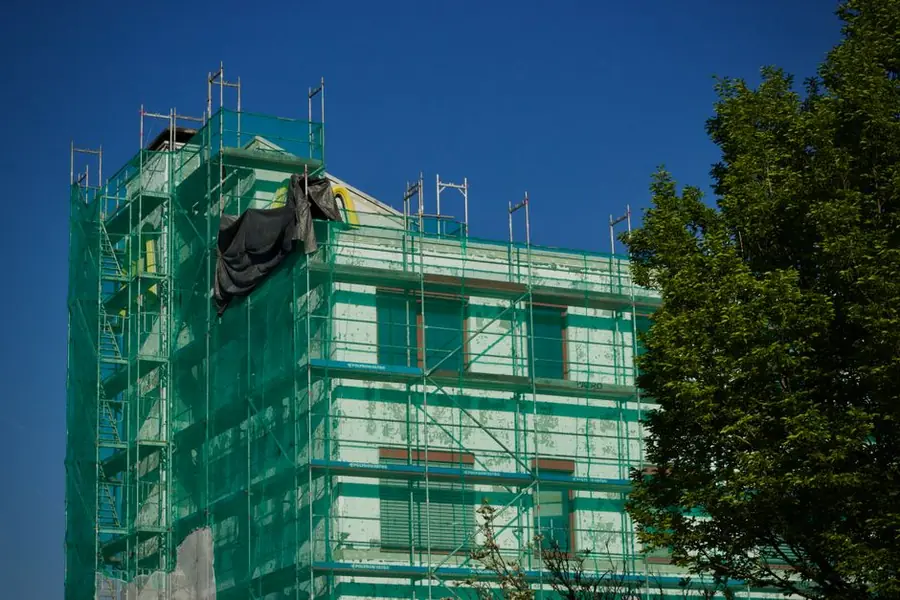
Before carrying out qualifying works, a landlord has to consult the leaseholders formally where any one of them would be asked to contribute more than £250. That is the Section 20 procedure, and the government’s guidance on leasehold service charges sets out the thresholds - £250 for planned work, or £100 a year for anything running longer than twelve months.
A roof clears £250 the moment scaffolding goes up. The consultation is not a formality either: it means notice of intention, an opportunity for leaseholders to nominate a contractor, and a second notice with estimates. Where it has not been done, recovery is capped at £250 per leaseholder unless the First-tier Tribunal grants dispensation. Freeholders who skip it because “it is only a roof” find that out expensively.
None of this stops emergency work. A landlord can make a roof safe and watertight immediately and consult on the full job afterwards.
When the freeholder is one of you
Share of freehold is very common in the small Croydon conversions, and it is where the process breaks down most often, because the freeholder and the person refusing to pay are the same two people.
The trap is assuming that owning half the freehold means the two of you can decide whatever seems fair. You cannot. Your obligations to each other are still in the leases, and the company or trust that holds the freehold still owes the consultation duty to both leaseholders - including to itself, in effect. Two neighbours agreeing over the fence to split a roof down the middle is fine until one of them sells and the buyer’s solicitor asks for six years of service charge accounts that were never kept.
The practical version: keep it boring. One quote each if you like, one written decision, invoices retained, money in and out of an account that is not either of your current accounts. It takes an afternoon and it removes the entire problem at sale.
Renting, not owning? Then it is not your bill
If you are a tenant, this whole discussion is somebody else’s. Your landlord is responsible for keeping the structure and exterior of the property in repair, and a roof is about as structural as it gets.
The government’s guidance for private tenants on repairs is short and clear about it. You have two duties in return, and both matter: report it in writing, and let the work happen when it is arranged. A tenant who reports a ceiling stain in November and a landlord who ignores it until the plaster comes down in January will find the record of that November message doing a lot of work later.
Photograph it with the date visible, keep the message thread, and do not start withholding rent - that route causes far more trouble than it solves.
What to do in the first week of a leak
Whoever ends up paying, water does not wait for the paperwork. The sequence that works is the same in every building.
Stop the water first, in whatever crude way is available - a bucket, and a small hole punched in a bulging ceiling to let a pocket of water out rather than letting it come down with the plaster. Then get someone up to find the source, and note that the source is very often not above the stain. Water runs along battens, along a rafter, and down the far side of the roof from where it entered. Chimney stacks, flashings and valleys account for far more Croydon leaks than holes in the actual covering, which is also why a leak that appears to be right over the top flat’s bedroom can turn out to be a shared stack.
Only once you know what has failed can anyone sensibly argue about who pays - and quite often the answer changes at that point. If the diagnosis turns out to be a covering at the end of its life rather than a single defect, it is worth reading our piece on telling a repairable roof from a finished one before agreeing to anything expensive.
Why a written report settles most of these arguments
The reason these disputes drag on is not usually bad faith. It is that two people are arguing about something neither of them has seen.
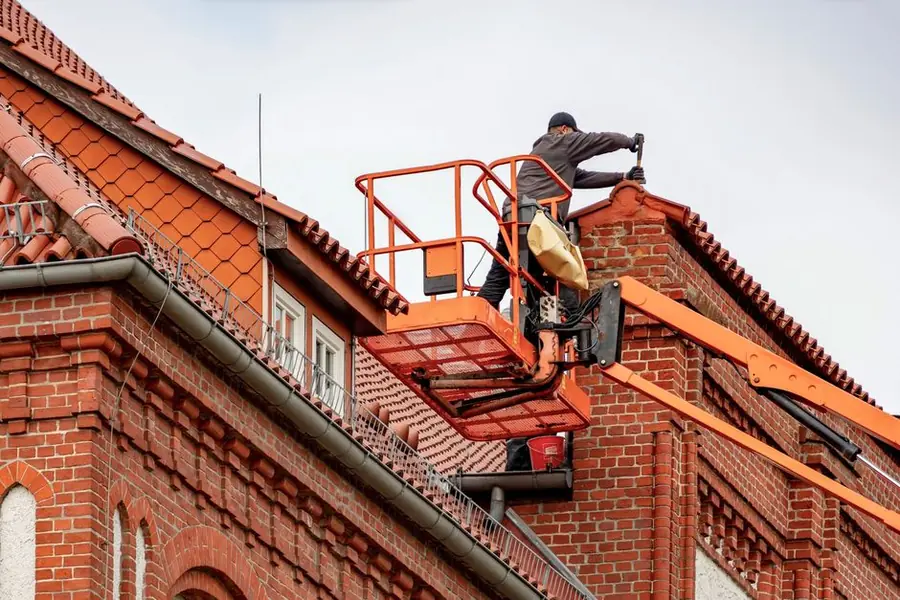
A short report with photographs - what has failed, where, why, what it needs, and what it costs - stops the whole thing being a matter of opinion. The downstairs flat can see the cracked haunching on the stack. The freeholder can see that it is not the top flat’s shower after all. The insurer can see whether the damage is storm related or twenty years in the making.
It also gives you something to send with a Section 20 notice, something to put in front of a managing agent who has gone quiet, and something a solicitor can use if it comes to that. In a borough where a very large share of homes sit under a shared roof, it is the single most useful hundred pounds anyone in this situation spends.
If your Croydon flat is leaking and the ownership question is still unresolved, we will come out, find the actual fault and put it in writing for whoever ends up paying. Book a free look at the roof.
Frequently asked questions
Who is responsible for the roof in a converted flat?
In most cases the freeholder, because the lease usually keeps the structure and exterior of the building out of the individual flats and puts it in the freeholder's hands, with the cost recovered from all the leaseholders through the service charge. The exception is a lease that specifically demises the roof to the top flat, which does happen in small Croydon conversions. The only way to know which you have is to read the lease.
Can the top-floor flat be made to pay for the whole roof?
Only if the lease says so. A lease that grants the top flat the roof and the loft void, and puts the repairing obligation with it, means that flat carries the bill alone. Where the lease is silent or keeps the roof as part of the retained structure, the cost is shared in whatever proportions the leases set out, which in a two-flat conversion is usually half each regardless of which ceiling the water came through.
What is a Section 20 notice and when does it apply?
It is the formal consultation a landlord has to carry out before major works. It bites when any single leaseholder would be charged more than £250 for the work, which a roof almost always exceeds. Skipping it does not make the work unlawful, but it caps what can be recovered from each leaseholder at £250 unless a tribunal grants dispensation.
Does buildings insurance cover a leaking roof?
It covers sudden damage from an insured event, so a slate lifted off in a storm is usually a claim. Gradual failure is not. Insurers will not pay to renew a covering that has simply reached the end of its life, and the wording they use for that is wear and tear. Most Croydon conversions are covered by one policy for the whole building arranged by the freeholder, so the claim is made through them rather than by an individual flat.
I rent my flat - do I have to pay for roof repairs?
No. On an ordinary assured shorthold tenancy the landlord is responsible for keeping the structure and exterior of the property in repair, and that includes the roof. You cannot be charged for it or asked to arrange it, though you do need to report it promptly and give reasonable access for the work.
Free roof survey and a fixed written quote
Anywhere in Croydon and the surrounding CR postcodes. No call-out fee.