
10 October 2026
Roof Repair Costs In Croydon 2026: Prices By The Problem You've Spotted
What roof repairs cost in Croydon in 2026, sorted by what you have actually noticed - a tile on the path, a damp chimney breast, an overflowing gutter - and what moves each price.
Nobody rings a roofer to say their ridge mortar has lost adhesion. They say there is a tile in the front garden, or a brown ring on the bedroom ceiling that gets bigger every time it rains. So instead of listing jobs the way a trade price sheet would, this guide starts from the thing you have noticed and works back to what it usually turns out to be, and what that costs. The figures are roof repair costs in Croydon for 2026, taken from the same bands we quote on, and they reflect south London labour, which runs well above the national averages most price websites are built on. One fact to keep in mind before reading any number below: on a typical Croydon terrace, getting safely up to the roof can cost more than the repair itself.
A tile or slate on the path, or a gap you can see from the street
This is the most common call we get, and usually the cheapest fix. A single slipped concrete interlocking tile on a postwar semi in Waddon or New Addington, reachable from a ladder, comes to £120 to £250. Those tiles are big, about ten to the square metre, and most slide back into place and get clipped or nailed.
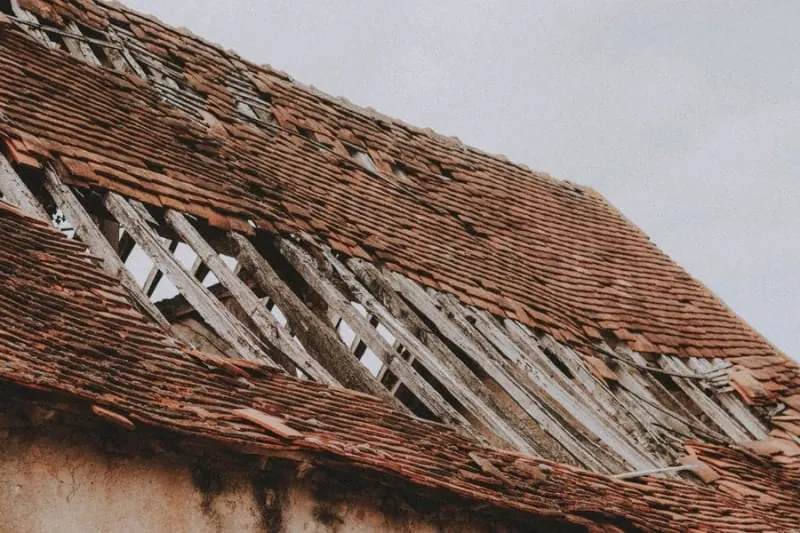
Clay plain tiles, which cover a huge share of the Victorian and Edwardian houses in Thornton Heath, Norbury and South Norwood, are slower. There are roughly sixty to the square metre, each one hung on a nib and nailed every few courses, so replacing one usually means lifting the tiles around it. A cluster of them tends to land between £250 and £450. Natural slates are refixed with copper tingles, and a handful of those on a back addition usually costs £180 to £400. Our roof repair cost page has the full list of bands these come from.
What really moves this price is access. If the gap is on the front slope of a terrace that fronts straight onto the pavement, a ladder is rarely a safe way to do it. Add a scaffold or a tower and the repair becomes a small part of the bill.
Mortar in the gutter, or a ridge line that looks wavy
Lumps of sandy mortar in the gutters, or ridge tiles that no longer sit in a straight line, mean the bedding under the ridge has failed. On the hipped 1930s semis across Shirley, Selsdon and Sanderstead there are two hip lines as well as the ridge, and those hips are where it usually goes first.
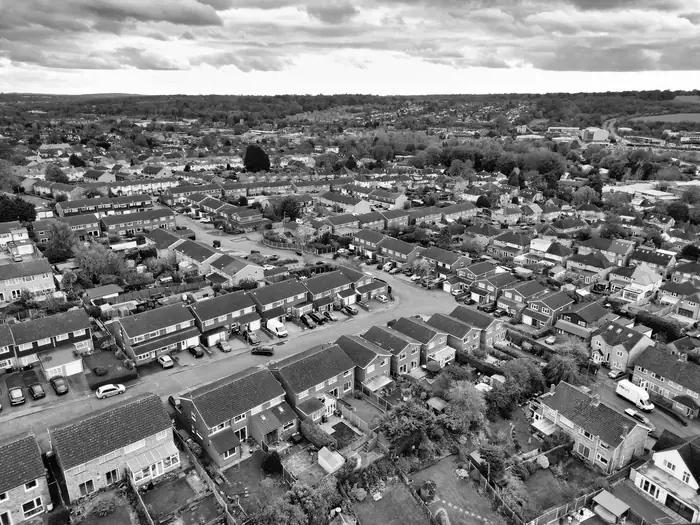
Rebedding a ridge or hip line on a typical semi costs £450 to £1,200. Converting it to a dry fix system falls in the same band, because most of the cost is stripping and resetting the tiles, not the fixings. Gable ends with crumbling mortar under the verge tiles are cheaper, usually £150 to £400 a gable for dry verge units.
Do not leave this one. A loose ridge tile is heavy, and on a hipped roof it has a long way to slide before it reaches the pavement.
A damp patch on the chimney breast
A stain that starts on the wall beside the chimney breast, often in the top bedroom, almost always comes from the stack. On Croydon’s terraces most stacks sit on the party wall and serve both houses, which matters for the bill.
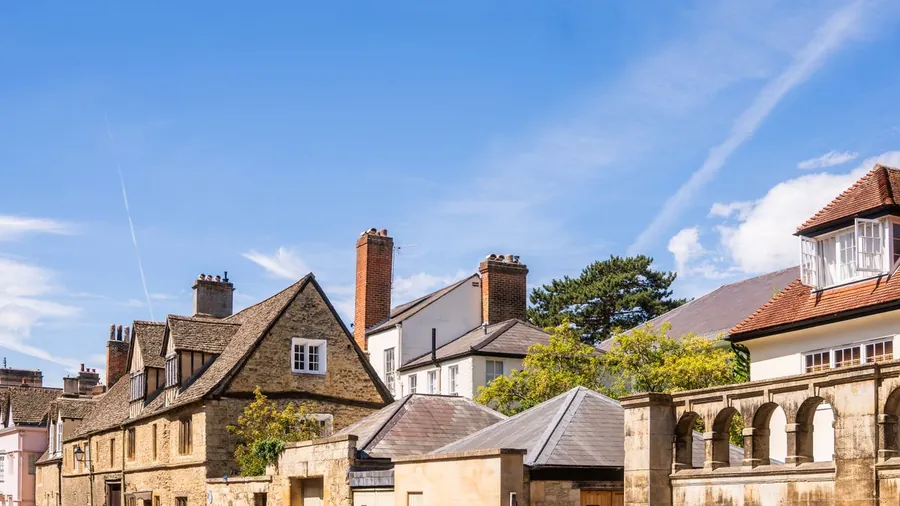
The usual suspects, cheapest first:
- Cracked flaunching around the pots, rebedded: £350 to £750
- New lead flashings, soakers and back gutter: £600 to £1,400
- Repointing and reflashing the whole stack together: £900 to £2,500
- Taking the stack down and rebuilding it above the roofline: £2,000 to £5,000 or more
Most of the cost in the first three is reaching the stack. That is why it makes sense to repoint and reflash on the same scaffold, rather than paying for access twice. If the stack is shared, your neighbour gets the benefit of the work too, and a conversation about splitting it before the scaffold goes up is worth having. We go through the repoint, rebuild or remove decision in our chimney stacks guide.
Water down the back wall, or a stain over the kitchen
Victorian terraces in Croydon usually have a back addition, the narrower two storey wing behind the main house, and the roofs back there get much less attention than the front. Pairs of back additions often share a valley gutter where they meet, and on many of them a flat-roofed kitchen extension has been added below.
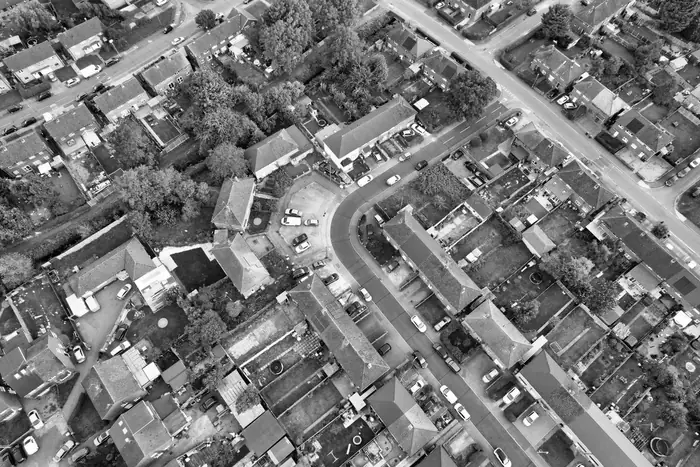
Where the back addition roof meets the main wall, the lead soakers or old cement fillet are a common leak, and repairing a few metres of it is usually £350 to £900. Relining a shared valley gutter in new lead, with a new board under it where the old one has rotted, is £900 to £2,200. If nobody can see where the water is coming in, a proper leak trace and repair runs £200 to £900, and that wide band is mostly about how buried the fault is.
The flat roof over the kitchen is its own job. A local repair to one split or one tired upstand on an otherwise sound roof is £250 to £700. A puddle that sits there for days after the rain stops, or a surface that is blistered all over, usually points to recovering it, which for a single storey extension costs £1,800 to £4,500. Patching a roof that is failing everywhere just means paying twice.
Gutters overflowing in a downpour
If water is spilling over the front of the gutter in heavy rain, the gutter is usually blocked or has lost its fall. In the leafier parts of the borough, Addiscombe, Shirley and the roads around Lloyd Park, autumn is when most of these calls come in.
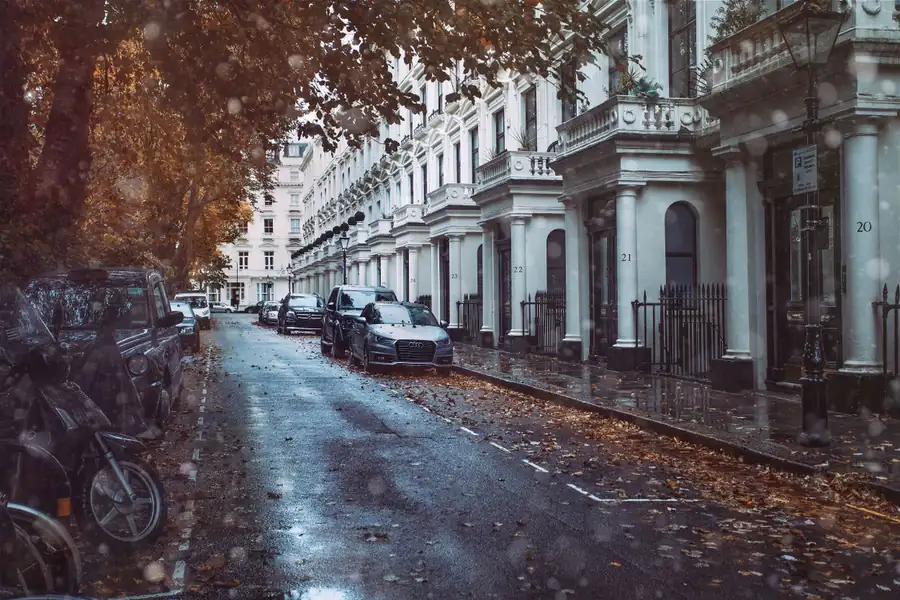
Clearing and checking the gutters on a two storey semi is £80 to £180, and that should include checking the fall and the gully at the bottom of the downpipe, not just scooping the leaves out. Replacing a section of uPVC guttering or a downpipe is £150 to £500. If the fascia board behind it has gone soft, a full uPVC roofline on a two storey semi is £1,600 to £3,500.
Cast iron is priced separately and costs more. A lot of the original cast iron survives on Croydon’s Victorian streets, and in a conservation area replacing it with plastic may not be acceptable.
Water coming through the ceiling tonight
Nobody haggles at eleven at night with water dripping into a bucket, but it still helps to know roughly what is fair. A typical emergency call-out in London is around £150 to £300 before any work starts, and a make-safe visit usually comes to £250 to £800 plus VAT once access and materials are counted.
A make-safe visit stops the water and nothing more: a tarpaulin weighted over the gap, a temporary patch on a flat roof, a few tiles pushed back and fixed. It is not the repair, and a fair roofer will say so and quote the permanent fix once the weather lets them see the roof properly. If you are still at the bucket stage, our guide to the first hour of a roof emergency covers what to do before anyone arrives.
What moves a roof repair cost in Croydon
The repair is usually the predictable part. The rest of the bill comes from a few Croydon-specific things.
Scaffold, tower or ladder
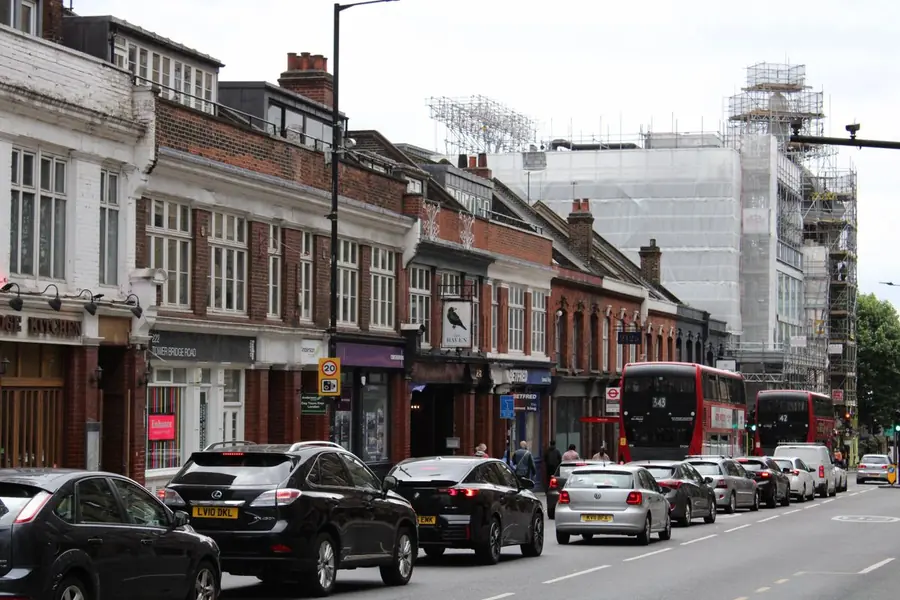
A scaffold on a typical two storey elevation is £500 to £1,200. On a terrace that fronts onto the pavement it needs a highway licence from the council. Single storey back additions and kitchen extensions can often be reached from a mobile tower instead, which is up and down in a day and much cheaper. Work at height law is strict about this, and the HSE’s guidance on roof work is clear that a ladder is for short jobs, not a working platform.
Parking outside the house
If the skip or the delivery needs a residents’ bay outside your house, the bay has to be suspended. On a commercial booking, the council’s parking suspension charges are currently a £57 administration fee plus £57 a day for most bays, more in the central zone, and the council asks for at least ten working days’ notice. That notice period, not the weather, is often what sets the start date.
Clay plain tiles against concrete interlocking
The same size of repair costs more on clay plain tiles because there are six times as many of them to handle, and matching reclaimed tiles have to be found for older roofs. Concrete interlocking tiles are quicker, but discontinued profiles can be hard to match.
Conservation areas
Like-for-like repairs are normally fine, but if your house is in one of Croydon’s conservation areas, changing the material, such as clay for concrete or cast iron for plastic, may need permission.
How long it has been left
A slipped tile left through one winter can mean rotten battens underneath it. A split in a flat roof left for a year can mean a soft deck. Most of the expensive repairs we price started out as cheap ones.
If repairs keep adding up, it might be time to look at the bigger number. Our guide to new roof costs by house type sets out what full replacement costs across the borough, and our breakdown of scaffolding and access costs explains the access line on a quote in more detail.
When you want a real figure rather than a range, book a free roof inspection in Croydon and we’ll send a written quote with the access costs listed separately.
Frequently asked questions
How much does a small roof repair cost in Croydon?
Refixing a slipped tile or slate that can be reached safely from a ladder usually costs £120 to £250. Clay plain tiles take longer than concrete interlocking ones, because the tiles around the gap have to be lifted and nailed back, so a cluster of them tends to land nearer £250 to £450. If the front of a terrace needs a scaffold or a tower to reach the tile, the access is added on top and can cost more than the repair.
Why is my Croydon roof repair quote mostly scaffolding?
Because on a lot of Croydon houses the access costs more than the work. A scaffold on a typical two storey elevation is £500 to £1,200, and where it stands on the pavement it needs a licence from Croydon Council. A parking bay suspension for the skip or the lorry adds the council's charges and at least ten working days of notice. A one-hour repair can easily carry a four-figure access bill on a mid-terrace.
What does an emergency roof repair cost in Croydon?
Expect a call-out fee of roughly £150 to £300 before any work, and a make-safe visit that usually comes to £250 to £800 plus VAT once access and materials are counted. Make-safe means stopping the water tonight with a sheet, a temporary patch or refixed tiles. The permanent repair is quoted separately once the roof is dry and can be looked at properly.
Does a chimney leak always mean a big repair bill?
No. If the problem is the lead flashing or the mortar fillet where the stack meets the roof, new flashings cost £600 to £1,400 and a repoint with reflashing together is usually £900 to £2,500. Rebuilding the stack is the expensive outcome, at £2,000 to £5,000 or more, and it is only needed when the brickwork itself has failed or the stack is leaning.
Free roof survey and a fixed written quote
Anywhere in Croydon and the surrounding CR postcodes. No call-out fee.