
8 September 2026
Selling A House In Croydon With A Roof Problem: Fix It, Price It Or Wait For The Survey?
A roof defect will surface in the buyer's survey whatever you do. The three ways Croydon sellers handle it, what you have to disclose, and which repairs pay for themselves.
A roof problem does not stop a Croydon house from selling. It changes how much it sells for, how long it takes and how much stress sits in the middle, and the size of all three depends on a decision most sellers make by accident. You can fix the roof before the board goes up. You can price the house to reflect it and say so. Or you can leave it, let the buyer’s surveyor find it and negotiate from there. Croydon is the most populous borough in London, with around 390,800 people at the last census and a housing stock that is largely Victorian, Edwardian and interwar, so there are a great many roofs in the borough between fifty and a hundred and thirty years old going through this exact conversation every month. This is how the three routes actually play out, what the law makes you say, and which repairs are worth paying for before you list.
Why the roof always comes up in a Croydon sale
Sellers tend to file the roof under background detail. Buyers, surveyors and lenders do not. It is the most expensive single element of a house to replace and the hardest for a buyer to judge from the pavement.
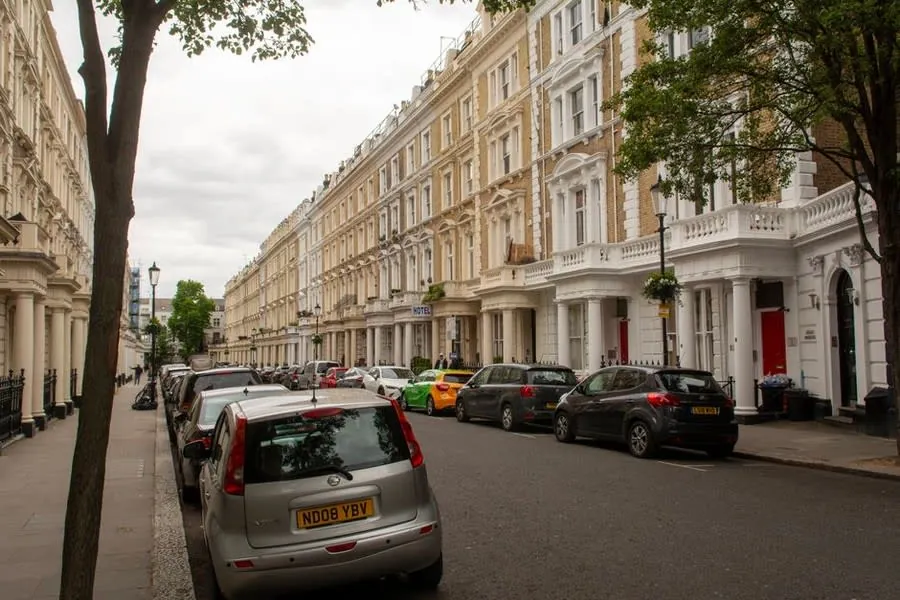
The age of the borough’s housing does most of the work here. A bay-fronted Edwardian terrace in Thornton Heath has a roof that is well past its first century. A 1930s semi in Shirley or Purley is approaching ninety. The concrete tiles that replaced many original roofs in the 1960s and 70s are themselves fifty or sixty years old. Any surveyor walking up to one of those houses expects to find something, and usually does. Their report will then put a figure on it, or more often tell the buyer to get a roofer’s quote, and the buyer will come back to you with a number that is almost always higher than what the work would actually cost. If you want to know what a repair actually runs to before that happens, our guide to roof repair costs in Croydon gives realistic ranges by job.
That is the heart of it. Whoever gets the first quote sets the terms. If it is you, the figure is real. If it is the buyer, the figure is a negotiating position.
What the buyer’s survey will say about it
Almost every buyer with a mortgage gets a survey, and in Croydon’s price bracket most choose a RICS Home Survey at Level 2 or Level 3. It is worth understanding what each one does with a roof, because that decides how visible the problem becomes.

The RICS home survey standard sets out three levels. Level 1 is a basic condition check. Level 2, the most common on an ordinary house, inspects the roof from ground level, from a ladder at the eaves where it is safe, and from inside the loft, and then gives each element a condition rating from 1 to 3. Level 3, the full building survey, does the same but writes up the cause of each defect and what putting it right involves. On an older Croydon roof the coverings, the chimneys and the flat roofs over extensions are the elements most likely to come back as a rating 3, which means serious or urgent, or a rating 2 with a recommendation to get a roofer to look.
Two things follow. First, the surveyor is not going on the roof, so a good deal of what they report is inference: moss and slipped tiles seen from the ground, staining seen in the loft, a felt roof judged from a bedroom window. That inference is cautious by design, and cautious reads as expensive. Second, whatever they write goes to the buyer and, in a shortened form, to the lender. The report is the moment the roof stops being your private knowledge and becomes everyone’s problem.
Fix it, price it or leave it: the three routes compared
There is no single right answer. There is a wrong one, though, and it is the route most sellers drift into.

Fixing first means paying for the repair yourself, before the photographs are taken. The advantage is control. You choose the roofer, you get a real quote, the work is done at a fair price and the surveyor finds a sound roof with a recent invoice and a guarantee behind it. The disadvantage is cash up front at a point when you are also paying for solicitors and removals. It suits any defect that is small, visible and clearly diagnosable.
Pricing it in means listing the house at a figure that reflects the roof and telling the agent to say so. Honest buyers like this. It removes the ambush from the survey, and a roof that has already been priced in cannot be used to chip the price a second time. It suits a bigger job, a re-roof or a whole flat roof, where the cost is too high to absorb but too obvious to hide. The risk is that buyers value a known problem more harshly than it deserves, so you should get a written quote yourself and hand it over with the listing.
Leaving it means saying nothing, letting the survey find it and dealing with the renegotiation when it comes. This is where sellers lose the most money. The buyer’s figure is inflated, their solicitor gets involved, the lender may impose a retention, and the whole thing lands in week eight of a chain when everyone is tired and any delay risks the sale. A repair that would have cost you £600 in March becomes a £3,000 price reduction in June, and you had no say in it.
What you must disclose, and what happens if you don’t
British property law still works on the principle that the buyer finds out for themselves, but that principle has narrowed a great deal, and roof problems sit right on the line.

Your solicitor will ask you to complete the TA6 Property Information Form, which is now in its sixth edition. It asks about building works, about guarantees and warranties on the property, about buildings insurance claims and about disputes with neighbours, among other things. There is no box that says “does the roof leak”, but a leak you have had repaired is building work, a claim you made after a storm is an insurance claim, and a row with next door over the shared valley is a dispute. Answer any of those untruthfully and the buyer has a misrepresentation claim they can bring after completion, when the leak reappears and they find the old invoice in a drawer.
The estate agent has a separate duty. Agents are bound by consumer protection law not to mislead buyers by what they say or by what they leave out, so once you have told the agent about the roof they cannot un-know it. Sellers sometimes read this as a reason not to tell the agent. It is the reverse. An agent who knows can present the roof properly and price it in, which protects you. An agent who finds out from the survey has been made to look foolish, and the buyer now wonders what else you kept quiet.
Retentions, chains and the cost of delay
The most damaging thing a roof does to a sale is not the repair cost. It is the time.
If the lender’s valuer flags the roof, the lender can impose a retention, holding back part of the mortgage until the work is done and signed off. The buyer then has a hole in their funding. They either find the money themselves, which most first-time buyers pushing out to Croydon from inner London cannot, or they ask you to drop the price by the retention amount, or the work has to be done before completion by someone. Every one of those options takes weeks, and in a chain weeks are what kill sales.
There is a practical Croydon wrinkle as well. Roof work on a terrace or a house on a controlled parking street often needs scaffolding on the pavement, which means a council licence and possibly a parking suspension, and those run to their own timetable. We set that out in our piece on scaffolding and access costs in a Croydon roof quote. If a repair has to happen mid-sale, that lead time is added to a chain that was already fragile. Doing it before you list removes the whole problem. The government’s guide to buying and selling your home sets out how many stages sit between an offer and completion, and a roof repair dropped into the middle of them pushes every one back.
Which repairs pay for themselves before listing
Not every roof job is worth doing before a sale. The test is simple: will the repair cost less than the price reduction the buyer would otherwise demand, and does it remove the item from the survey entirely?
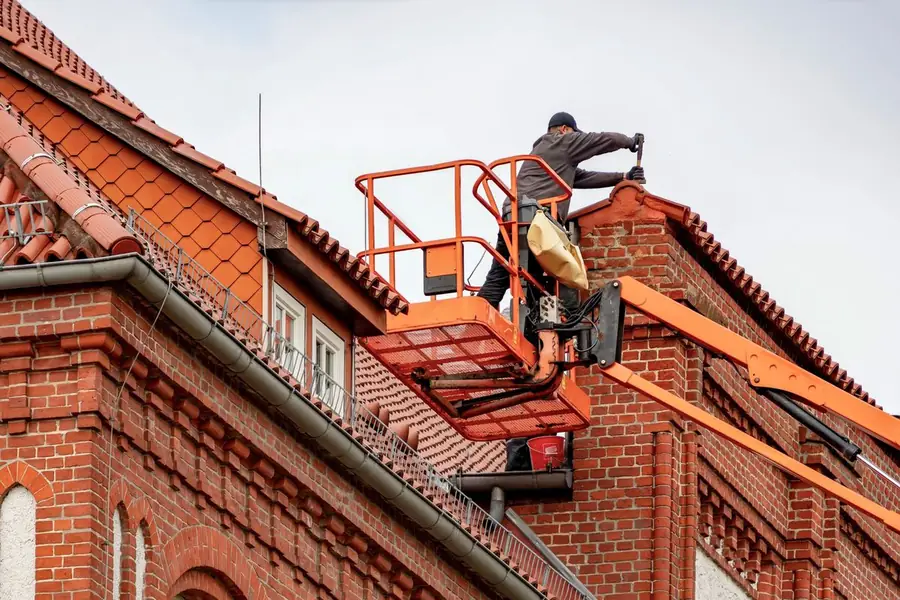
The ones that nearly always pass that test are small and visible. Slipped, cracked or missing tiles, which a surveyor spots from the pavement and which cost a morning to put right. Cracked or missing ridge and verge mortar, which reads as neglect. A chimney flashing that has lifted, since a chimney with a visible lead problem gets a rating 3 almost automatically. A leaking gutter joint or a sagging run, because staining down the brickwork is the first thing a viewer sees. And any ceiling stain from a leak that has already been fixed, which must be redecorated, because a buyer seeing a brown patch assumes the leak is live no matter what you tell them.
The ones that usually fail the test are the big ones. A full re-roof on a house that is otherwise fine rarely returns its cost in the sale price, because buyers do not pay a premium for a new roof, they merely stop deducting for an old one. The exception is a roof that really is at the end, where the survey will trigger a retention and no lender will advance the full loan. There the question is not whether to spend but whether to spend it as a repair or a reduction, and we worked through how to tell a tired roof from a finished one in repair or replace: is your Croydon roof actually finished?. Somewhere between those sits the felt flat roof on the rear extension, which is expensive enough to hurt and visible enough to be found, and is usually best priced in with a quote attached.
Paperwork that makes a roof a selling point
Once the work is done, the paper is worth almost as much as the repair. A surveyor who finds a recent invoice, a written guarantee and photographs of the finished work will note the roof as recently repaired rather than as a defect, and the buyer’s solicitor will stop asking questions.

So ask your roofer for the things a buyer will want to see. A dated invoice that describes the work in plain terms, not just “roof repairs”. A written workmanship guarantee, ideally transferable to the new owner, and the manufacturer’s paperwork on any materials that carry their own warranty. Photographs from the scaffold or the ladder of the work as completed, since a buyer cannot get up there either. And for a re-roof, the building control completion certificate, because replacing more than a quarter of a roof covering is notifiable work and a missing certificate is a question the buyer’s solicitor will raise. Put all of it in the pack you give the agent and the solicitor on day one.
Handled this way, the roof stops being the thing that might sink the sale and becomes one of the few parts of an old Croydon house the buyer does not have to worry about. That is a better position than most sellers ever get to, and it costs a phone call in the spring rather than an argument in the summer.
Frequently asked questions
Do I have to fix the roof before selling my house in Croydon?
No. There is no rule that a house has to be sold in good repair. What you cannot do is hide a problem you know about. The buyer's surveyor will almost certainly report on the roof, so the real choice is between repairing it first, pricing the sale to reflect it, or letting the survey raise it and negotiating afterwards. Each has a cost, and the middle route is usually the most expensive.
Will a roof problem show up in the buyer's survey?
Nearly always. Even a Level 2 survey inspects the roof from the ground, from a ladder at the eaves and from inside the loft, and roof coverings on older houses are among the commonest items to be given a condition rating 3. A Level 3 building survey goes into more detail on the cause and the likely repair. A slipped tile, a cracked chimney flashing or a tired felt flat roof is not something a surveyor overlooks.
What is a mortgage retention and how does a roof cause one?
A retention is money the buyer's lender holds back from the mortgage until specified work is done and evidenced. Roof condition is one of the classic triggers, alongside damp and electrics. The buyer then has to find the shortfall themselves or ask you to drop the price, and the deal stalls while everyone argues. Fixing the roof before the valuation avoids the retention altogether.
Do I have to tell the buyer about a roof leak?
If you know about it, yes. The TA6 Property Information Form your solicitor asks you to complete carries questions about building works, guarantees and insurance claims, and an untrue answer is misrepresentation, which a buyer can act on after completion. Your estate agent also has a legal duty not to mislead buyers. It is far better to fix it or price it than to pretend it is not there.
Which roof repairs are worth doing before putting a Croydon house on the market?
The small, visible ones with a clear cause: slipped or missing tiles, cracked ridge mortar, a failed chimney flashing, a leaking gutter joint, a stained ceiling that has been repaired but not redecorated. These cost hundreds, not thousands, and remove the item from the surveyor's report entirely. A full re-roof before sale rarely pays for itself unless the roof is genuinely finished and the survey would otherwise trigger a retention.
Free roof survey and a fixed written quote
Anywhere in Croydon and the surrounding CR postcodes. No call-out fee.